What is Integration as a Service?
84% of system integration projects fail—not because of bad software, but flawed thinking. This video reveals why project-based integration breaks down, the true cost after go-live, and how Integration as a Service and the Integration Ops model turn connectivity into an accountable, scalable operational capability.
84% of system integration projects fail or only partially meet their goals. Not because the software is bad, but because the approach is wrong. Organizations keep treating integration as a project you survive, not a capability you operate.
This video explains the fundamental flaw in project-based integration, what changes when you shift to Integration as a Service, and how the Integration Ops operating model is transforming enterprise connectivity the same way DevOps transformed software delivery.
You'll learn why buying integration tools isn't the same as buying integration outcomes—and why that distinction matters more than ever when the average enterprise runs 897 applications.
Key Takeaways
→ Why "scope it, build it, deploy it, close the project" is a trap disguised as a process
→ The difference between project, product, and service mindsets for integration
→ What Integration as a Service actually is (and what it isn't)
→ How Integration Ops mirrors the DevOps and SecOps evolution
→ Why the real cost of integration isn't the build - it's everything after day one
The Integration Reality Check
84% of system integration projects fail or only partially meet goals
39% of IT time spent maintaining custom integrations (not building new capabilities)
897 average number of applications per enterprise
Zero - the number of iPaaS vendors that take operational liability for your integrations
Timestamps
0:00 – The 84% failure rate: Why integration projects keep breaking
0:30 – How integrations typically happen (and why the cycle repeats)
1:00 – The trap disguised as a process
1:18 – 39% of IT time spent on maintenance, not innovation
1:33 – What Integration as a Service is NOT
2:06 – The real cost: Everything that happens after day one
2:28 – The fundamental shift: Who owns the operations?
2:46 – Three integration mindsets: Project vs. Product vs. Service
3:15 – How Integration as a Service closes the accountability gap
3:39 – Integration Ops: The operating model explained
3:55 – The DevOps and SecOps parallel
4:31 – Four fundamental shifts of Integration Ops
4:56 – The question that separates project thinking from operational thinking
5:23 – Are you buying tools or buying outcomes?
5:48 – 897 apps: Build vs. operate decision
6:00 – ONEiO: Integration Ops as a managed service
6:17 – Stop surviving projects, start operating connectivity
FREE RESOURCE
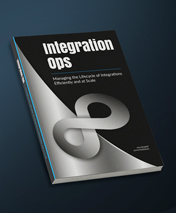
Download the complete Integration Ops guide - the operating principles, service levels, and real-world enterprise applications: https://campaign.oneio.cloud/en/integration-ops-book-0825
About ONEiO
ONEiO pioneered Integration Ops as a managed service combining integration infrastructure, 24/7 operations, and expert support so integrations scale with your business instead of draining it. Full operational liability. No one else commits to that.
🌐 Website: https://www.oneio.cloud
#IntegrationOps #IntegrationAsAService #iPaaS #EnterpriseIntegration #ITOperations #DigitalTransformation #DevOps #SystemIntegration #ManagedServices #B2BIntegration #ITServiceManagement #ONEiO



Scale integrations with ease – even as demands accelerate