What is iPaaS? (Integration Platform as a Service)
This video explains what Application Integration is, how it works, and why APIs alone can’t support the orchestration, automation, and reliability modern businesses need. Discover how Integration Ops as a Service fills the gaps—turning scattered applications and manual processes into a scalable, fully managed integration strategy.
What is iPaaS and how does it really fit into modern integration work?
In this video, we break down iPaaS (Integration Platform as a Service): what it is, how it works, and where it adds value in IT service delivery.
You’ll learn why iPaaS is important, the benefits it brings, and most importantly, why iPaaS alone isn’t enough to solve today’s integration challenges.
iPaaS connects applications, data, and services across IT systems, automating workflows without heavy custom code.
But here’s the catch: while iPaaS accelerates integration builds, it doesn’t cover the full lifecycle of integrations.
That’s where Integration Ops comes in.
In this video, you’ll discover:
[00:00:00] What is iPaaS and Why It Matters
[00:00:29] iPaaS as Part of Integration Ops
[00:00:49] Why iPaaS Became Important
[00:01:13] How iPaaS Tools Work
[00:01:39] Common iPaaS Use Cases
[00:02:00] Key Benefits of iPaaS
[00:02:09] The Limits of iPaaS: Where Integration Ops Takes Over
[00:02:30] Challenges iPaaS Alone Cannot Solve [00:02:56] Integration Ops as a Long-Term Discipline
[00:03:14] Integration Ops vs. iPaaS – Turning Tech into Business Value
[00:03:33] Conclusion and Next Steps
Whether you’re an IT service provider, MSP, or enterprise leader, this video will help you understand how to move from fragile point-to-point connections to a scalable, resilient integration strategy.
Want to go deeper?
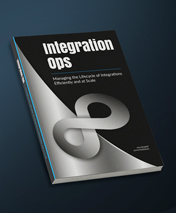
Download our free guide on Integration Ops and learn how to manage the full lifecycle of integrations efficiently and at scale: https://campaign.oneio.cloud/en/integration-ops-book-0825



Scale integrations with ease – even as demands accelerate